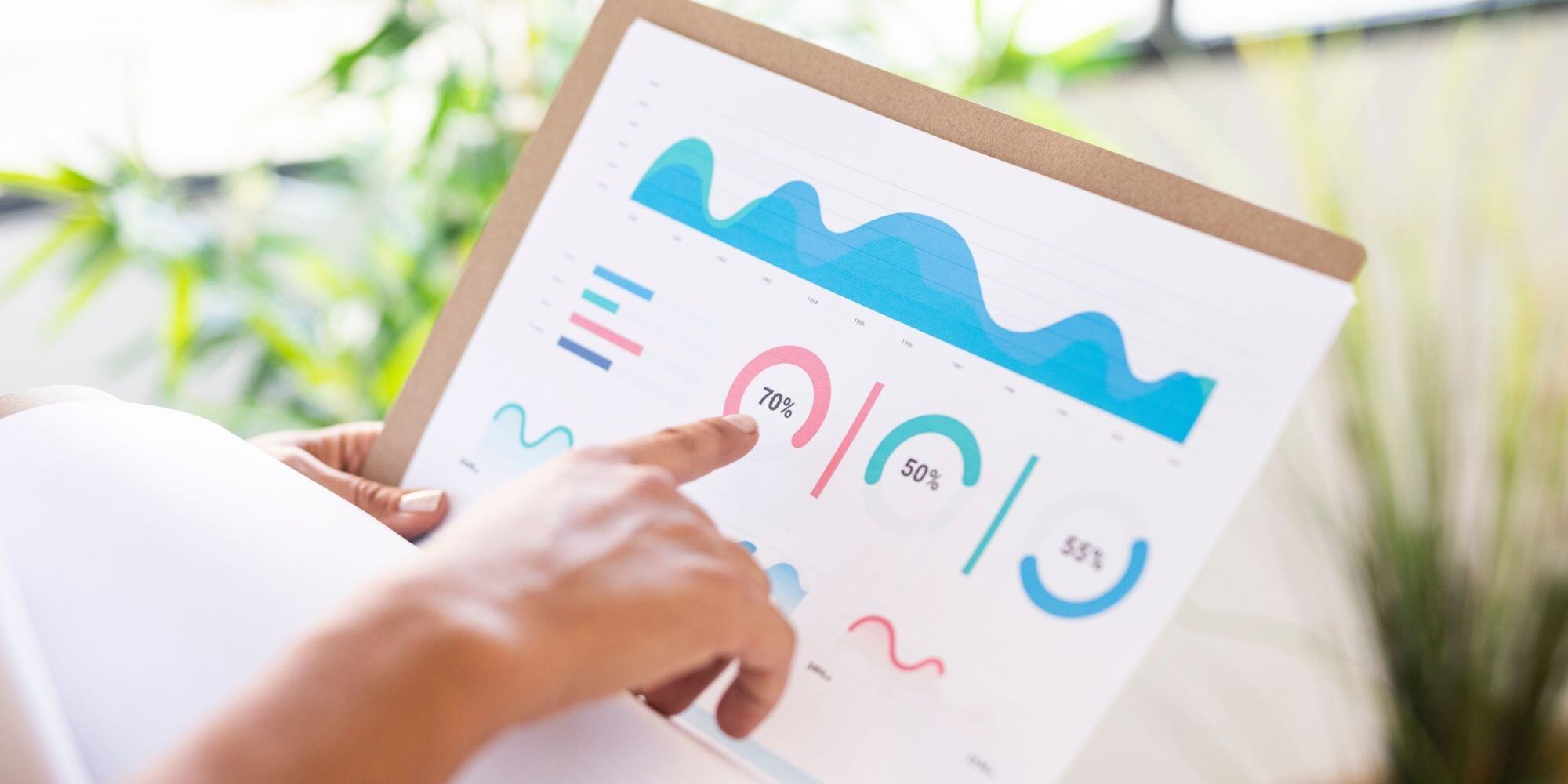
Manufacturing dashboards, often overshadowed by more traditional management practices, carve their niche with unparalleled precision and clarity in performance tracking. This unique character sets them apart in the vast world of manufacturing technologies, offering a distinct approach that distinguishes them as tools in their own right. The key features of manufacturing dashboards include real-time monitoring, customizable KPI tracking, and interactive data visualization, each known for enhancing decision-making and operational efficiency. Integrating with digital signage software, these dashboards can be displayed prominently on screens across the manufacturing floor, ensuring that vital information is always visible to the workforce.
What is a Manufacturing Dashboard?
A manufacturing dashboard is a sophisticated analytical tool designed to visually present critical Key Performance Indicators (KPIs) that are pivotal to manufacturing. It acts as a digital hub, aggregating data from diverse sources across the production environment to offer a comprehensive view of operational health. Using charts, graphs, and gauges, this dashboard transforms complex datasets into an accessible format, allowing for immediate monitoring of production efficiency, progress tracking, and pinpointing improvement areas.
Why are Manufacturing Dashboards Critical for Tracking KPIs?
Manufacturing dashboards are pivotal in tracking Key Performance Indicators (KPIs) primarily because they provide real-time monitoring. This feature is crucial as it enhances an organization's responsiveness to fluctuations and irregular production processes. The capacity to make swift adjustments based on current data ensures that operations are consistently aligned with strategic objectives, minimizing downtime and maximizing efficiency.
What are the Key Features of an Effective Manufacturing Dashboard?
An effective manufacturing dashboard distinguishes itself through several pivotal features that amplify its functionality and impact. Real-time data visualization is paramount, offering up-to-the-minute insights into operational metrics to support swift and informed decision-making. The ability to customize the dashboard to align with specific operational goals ensures that critical KPIs are always in focus, enhancing their relevance and utility.
How do Manufacturing Dashboards Improve Operational Efficiency?
Manufacturing dashboards, along with utilizing safety scoreboards, significantly boost operational efficiency by enhancing how production processes are monitored and managed. Real-time data visualization stands at the forefront of this improvement, offering instant visibility into critical performance metrics. This enables the swift detection and rectification of any process inefficiencies or bottlenecks, facilitating smoother workflows and better resource allocation.
The emphasis on a data-driven approach to decision-making ensures that operational strategies are grounded in accurate and current data, reducing reliance on assumptions and increasing the efficacy of implemented changes. Moreover, the customizability of these dashboards allows them to be precisely tailored to highlight the most pertinent KPIs for any operation, streamlining the tracking of progress toward defined goals. By promoting a more agile and informed management approach, manufacturing dashboards are instrumental in elevating the efficiency and productivity of manufacturing environments.
What are Common KPIs Tracked on Manufacturing Dashboards?
Common KPIs on manufacturing dashboards serve as the linchpins for evaluating and improving the efficiency and output of manufacturing processes. Overall Equipment Effectiveness (OEE) stands out as a crucial metric, encapsulating availability, performance, and quality to offer a holistic view of production success. Cycle Time is another essential indicator, measuring the total duration from the start to the end of a manufacturing cycle, shedding light on process speed and efficiency.
Yield measures the proportion of quality products in the total production volume, indicating levels of quality and waste. Tracking Downtime is vital for pinpointing and minimizing periods when production halts, directly influencing productivity. Lastly, Throughput reflects the production output rate, acting as a barometer for the operation's capacity.

How to Implement a Manufacturing Dashboard?
Implementing a manufacturing dashboard is a systematic process that begins with selecting the right software. This foundational step requires choosing a platform that integrates seamlessly with existing systems and offers robust customization options and effective real-time data visualization. Moreover, digital signage in lobbies can be utilized to display key dashboard metrics to visitors or employees, enhancing transparency and engagement. Following this, defining specific KPIs that align with the organization's operational goals is imperative, ensuring the dashboard provides focused and actionable insights.
Selecting the Right Software Based on Needs
The cornerstone of an effective manufacturing dashboard implementation is selecting the right software. This crucial decision hinges on the software’s compatibility with existing systems, ensuring a seamless data integration experience. The chosen platform must also offer robust customization features to adapt the dashboard to the operation's unique needs.
Defining Specific KPIs to Track for Targeted Insights
With the appropriate software, the focus shifts to defining specific KPIs that align with the organization's strategic objectives. This step involves a careful selection of metrics that are most indicative of operational health and performance. By targeting these specific KPIs, the dashboard can offer insights that are not only relevant but also actionable, enabling focused improvements and strategic adjustments.
Training Staff to Use the Dashboard Effectively
The final step, training staff on effectively using the dashboard, is critical to unlocking its full potential. Comprehensive training covers accurately interpreting the data, customizing the dashboard for individual needs, and applying the insights to make informed operational decisions. Equipping staff with these skills ensures the dashboard becomes an integral part of the operational toolkit, enhancing responsiveness and productivity across the organization.
What are the Challenges in Leveraging Manufacturing Dashboards?
Navigating the implementation and effective use of manufacturing dashboards involves overcoming several challenges. Data integration is a primary obstacle, requiring the dashboard to effectively consolidate data from various sources within the manufacturing landscape. Achieving this data's seamless flow and accuracy is vital for the dashboard's reliability.
Identifying and selecting the most relevant KPIs is another challenge, necessitating a thorough understanding of the operation's goals and the indicators that best measure success. User adoption also presents a hurdle, as there may be resistance to adopting new technologies or difficulties in interpreting sophisticated data visualizations among the staff. Ensuring the dashboard remains up-to-date and aligned with evolving operational needs and external conditions is crucial for maintaining its relevance and utility.
How do we Measure the Success of a Manufacturing Dashboard?
Evaluating the effectiveness of a manufacturing dashboard hinges on assessing its influence on operational performance and decision-making efficiency. Improved KPIs are a clear sign of success, indicating the dashboard’s role in boosting operational efficiency, minimizing waste, and enhancing production metrics. Another measure is the speed of decision-making, showcasing the dashboard's capacity to deliver quick, data-backed insights for swift action.
Increased operational efficiency, marked by streamlined processes, better resource utilization, and reduced downtime, further underscores the dashboard's value. Success is also reflected in user engagement levels and the extent to which insights from the dashboard are woven into strategic planning and everyday operations. A manufacturing dashboard that fosters continuous improvement aligns with strategic objectives, and strengthens competitive positioning is ultimately deemed successful.
Elevating Manufacturing with Advanced Dashboards
Enhance your manufacturing operations with the strategic integration of advanced dashboards, leveraging real-time monitoring and data-driven decision-making to improve performance and efficiency. By carefully selecting the right software, defining key performance indicators (KPIs), and training your staff, you can navigate the complexities of modern manufacturing with agility and precision.
For a start, try a free digital signage software trial from Rise Vision. Our robust features ensure your manufacturing dashboards are impactful, visually engaging, and seamlessly integrated into your operations. Empower your manufacturing strategy with Rise Vision’s customizable platform and elevate your performance like never before.
More From Our Blog
-

Interactive Touch Screen Digital Signage: How It Works and What You Need
Interactive touch screen digital signage lets viewers tap a display to find what they need. It pairs a commercial touch display with content software. Common uses include wayfinding, visitor[…]
Read More -
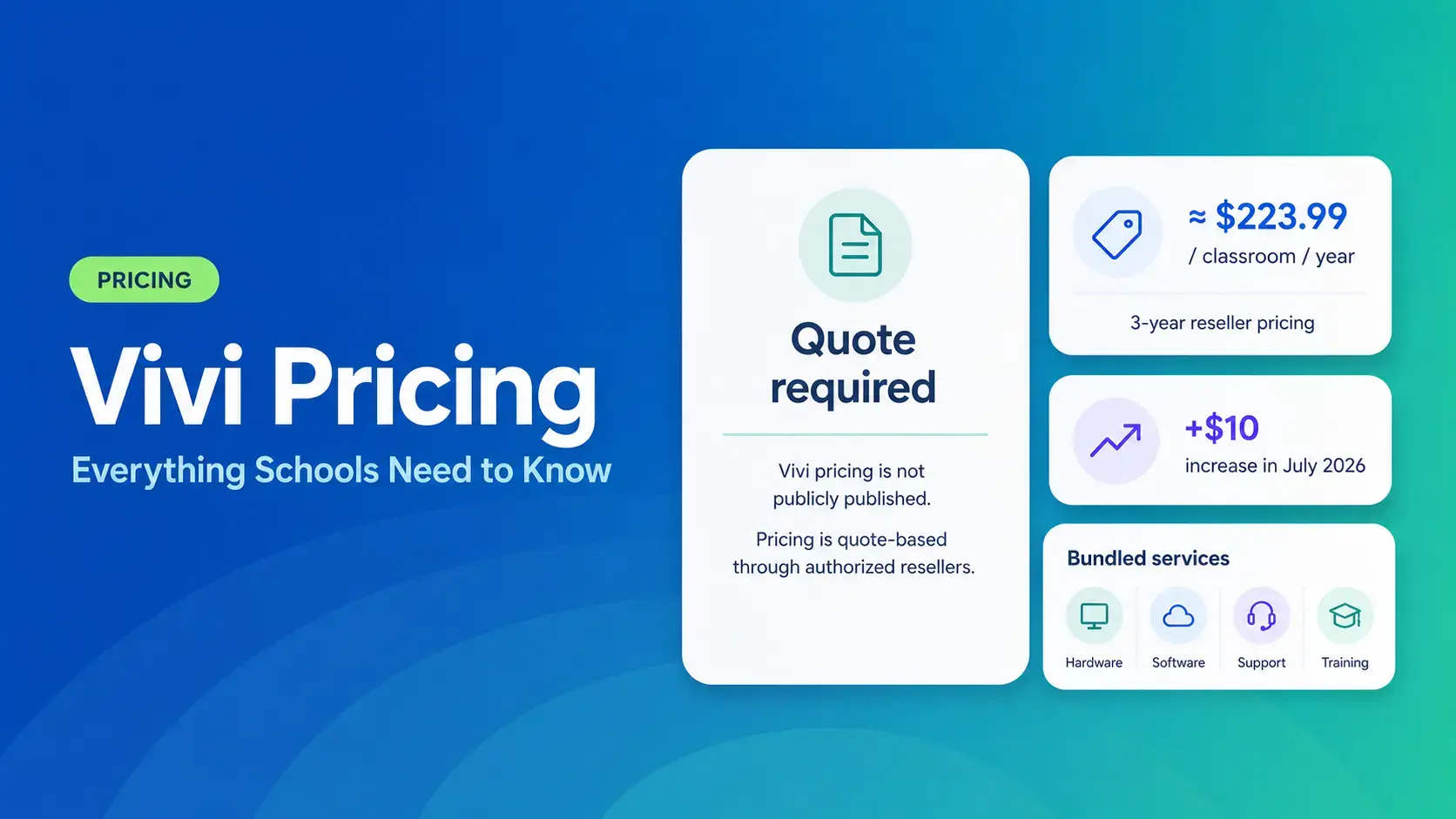
Vivi Pricing 2026: Everything Schools Need to Know Before Getting a Quote
If you're budgeting for Vivi, expect to call sales for a number. Pricing isn't published anywhere. Reseller data puts the 3-year subscription around $224 per classroom per year. That rate rose by $10[…]
Read More -
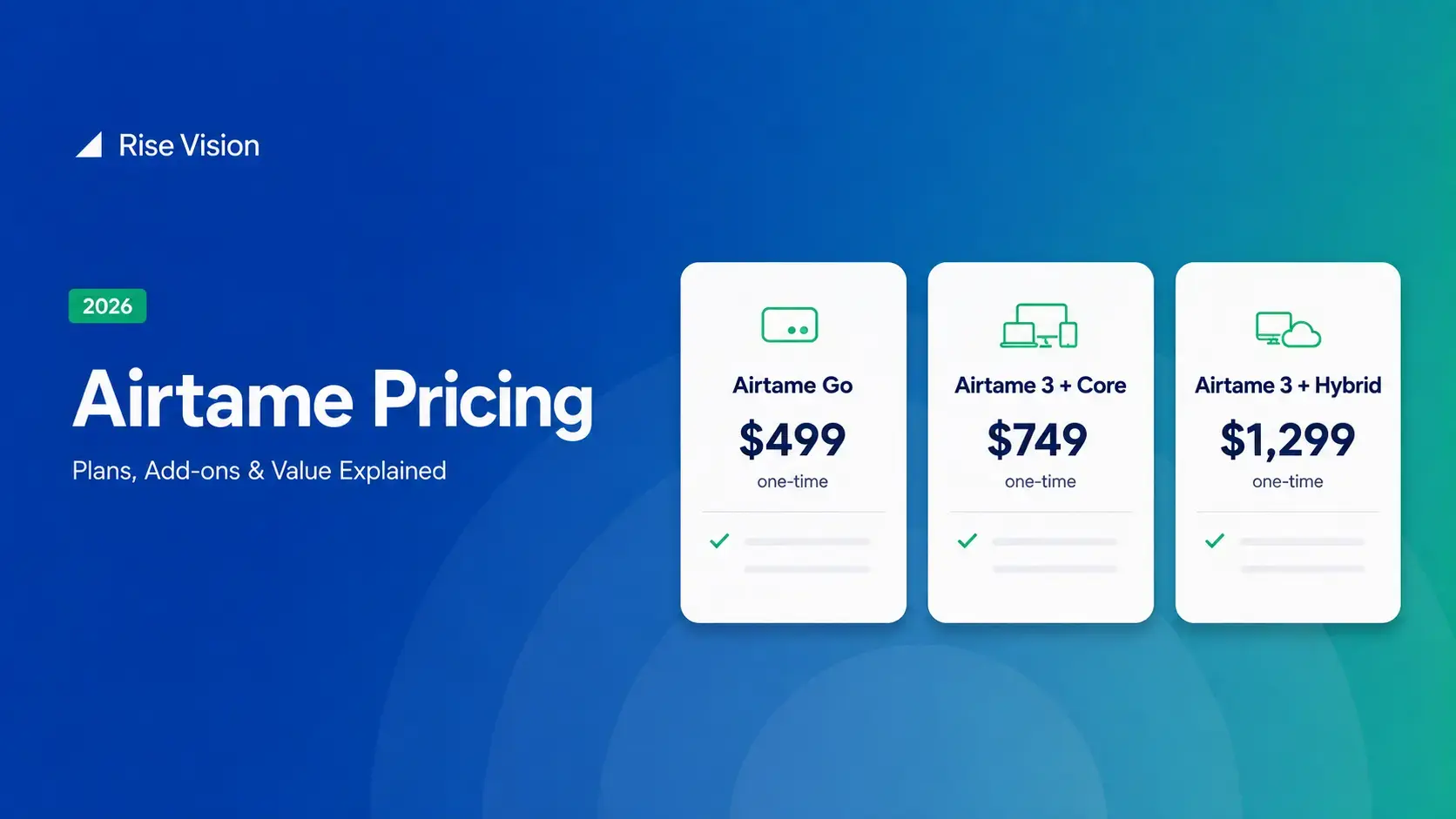
Airtame Pricing 2026: Plans, Costs & Renewal Fees
Airtame's 3-year bundles run $299 to $1,299 per display, then $120–$300/device/year to renew. Signage and alerts come standard on every tier, but only screen sharing survives if you skip renewal.[…]
Read More
12,300+ Organizations Trust Rise Vision, You Can Too































Schedule a Free Demo
You deserve the #1 all-in-one platform for digital signage, screen sharing, and emergency alerts.