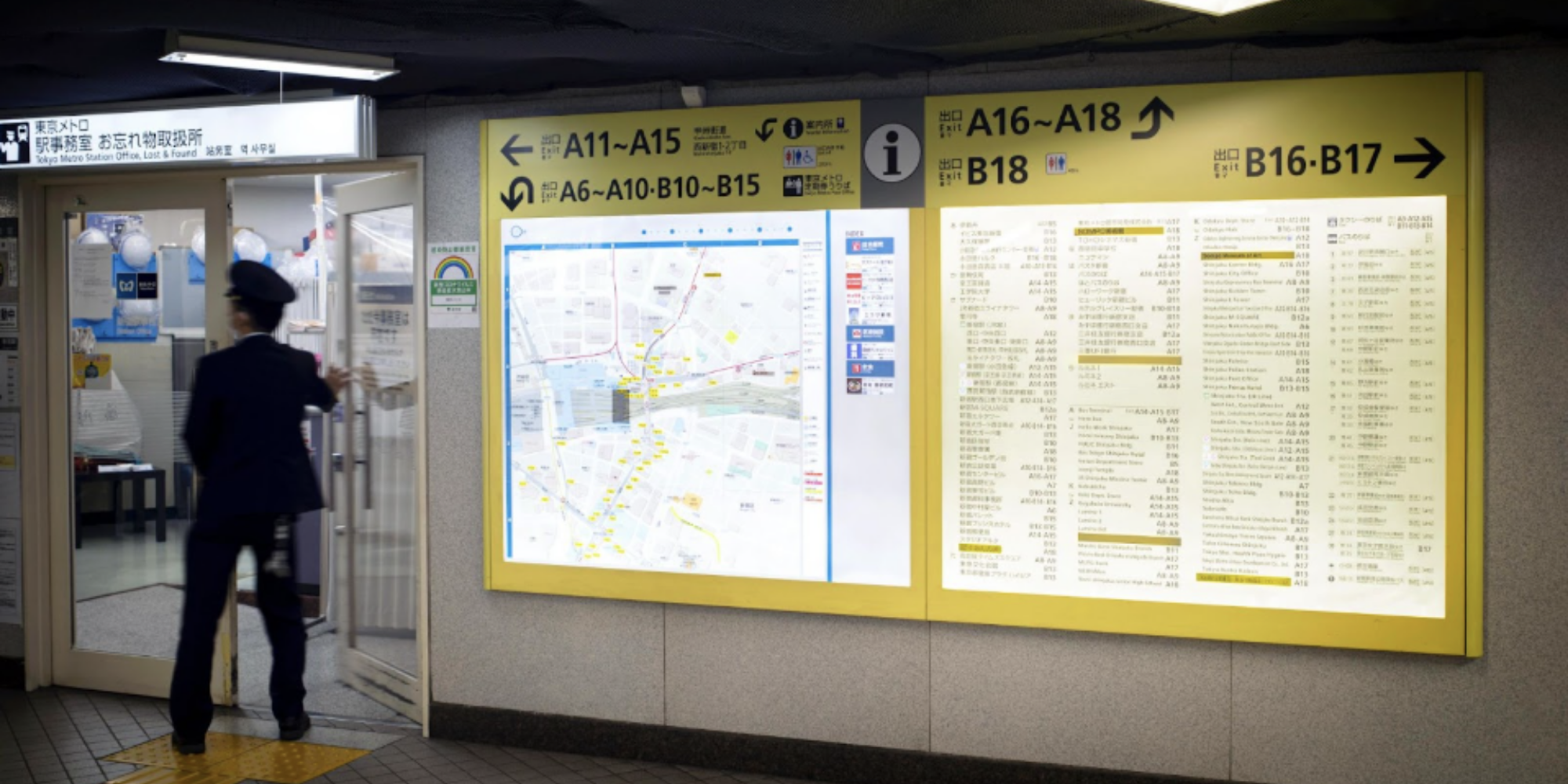
Navigating crowded transportation hubs during peak hours can be challenging for passengers. However, cloud digital signage transforms these environments, making travel smoother and less stressful. Digital signage revolutionizes how passengers interact with their travel spaces by delivering real-time information and updates.
From displaying updated arrival and departure times to guiding travelers through complex stations, digital signage is crucial in improving passenger flow and satisfaction. This article explores how transportation digital signage enhances efficiency during peak hours, its benefits, and the challenges it faces. By using transportation hub signage, transit authorities can improve communication, streamline operations, and create a smoother travel experience for passengers.
What is Transportation Digital Signage?
Transportation digital signage is an advanced communication tool widely used in the transportation industry to deliver real-time information, updates, and advertisements. This technology uses digital screens to display essential content such as arrival and departure schedules, delay notifications, safety instructions, and wayfinding guidance.
The primary aim is to improve the passenger experience by providing timely, relevant information that reduces confusion and enhances navigation. In addition to its operational benefits, transportation digital signage is a versatile advertising platform that offers transportation authorities revenue opportunities.
This dual functionality highlights its multifaceted value, helping passengers and stakeholders alike. As technology evolves, transportation digital signage becomes even more interactive and personalized, offering features that simplify and enrich the travel experience.
How does Digital Signage Improve Passenger Flow?
Digital signage improves passenger flow by delivering real-time updates and guiding travelers efficiently through transportation hubs. It minimizes bottlenecks, reduces delays, and enhances the overall travel experience during peak hours.
Provides Real-Time Updates
Digital signage delivers live updates on arrival and departure times, platform changes, and travel advisories. These updates inform passengers, reducing uncertainty and ensuring smoother movement within crowded areas.
Delays and Cancellations
When delays or cancellations occur, digital signage quickly communicates disruptions. Passengers can adjust their plans promptly, avoiding confusion and congestion. This rapid dissemination of information significantly reduces stress and frustration.
Queue Lengths at Security Checkpoints
Digital signage helps manage passenger flow by displaying queue lengths at security checkpoints. Passengers can use this information to choose shorter lines, reducing wait times and improving overall efficiency in high-traffic areas.
Why is Improving Passenger Flow Important?
Improving passenger flow is critical for enhancing the efficiency and safety of transportation hubs. Better flow minimizes congestion, eases navigation, and ensures a positive travel experience, particularly during peak travel times.
Reduces Congestion
Efficient passenger flow reduces congestion by preventing overcrowding in high-traffic areas. Digital signage helps by guiding travelers to less crowded zones and streamlining their movements.
Eases Movement in Stations and Airports
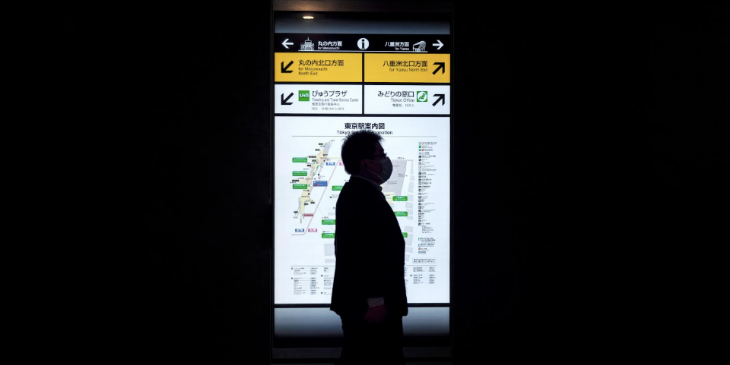
Digital signage simplifies navigation in complex transportation hubs by providing clear directions and real-time updates. Passengers can quickly locate gates, platforms, and amenities, ensuring a smoother travel experience.
Enhances Passenger Satisfaction
A seamless flow of passengers improves satisfaction by minimizing delays, confusion, and stress. Digital signage keeps travelers informed and confident, leading to positive experiences and repeat usage.
Types of Transportation Digital Signage
Transportation digital signage comes in various formats, each designed to improve passenger experience and operational efficiency.
Interactive Kiosks
Interactive kiosks allow passengers to access information, purchase tickets, and check in independently. These user-friendly platforms enhance convenience and reduce reliance on staff assistance, improving passenger flow.
Ticket Purchasing and Check-Ins
Digital signage for ticketing and check-ins streamlines the travel process by reducing wait times. Automation allows transportation hubs to handle larger volumes of passengers efficiently, creating a smoother entry experience.
Dynamic Route Maps
Dynamic route maps display real-time updates on routes, schedules, and platform changes. These tools ensure passengers have access to accurate travel information, aiding navigation and reducing delays caused by misinformation.
Content Management for Maximum Impact
Effective content management maximizes the impact of digital signage, ensuring passengers receive relevant, timely information.
Tailoring Messages to Time of Day
Digital signage is more effective when messages are customized based on the time of day. Morning commuters benefit from updates on peak-hour services, while late-night travelers receive information on the last departures or safety notices.
Peak vs. Off-Peak Messaging
Tailored content for peak and off-peak hours ensures that the most critical information is displayed at the correct times. During peak hours, real-time updates and congestion management take priority, while off-peak messaging can focus on maintenance or promotions.
Using Data Analytics
Data analytics enhances content by identifying passenger flow patterns and preferences. This approach ensures that digital signage provides the most relevant information, improving the passenger experience and operational efficiency. Interactive digital signage can also enhance efficiency in warehouse environments by leveraging real-time data to optimize operations and communication.
Challenges in Implementing Digital Signage
Implementing digital signage in transportation settings has several challenges, from technical hurdles to cost considerations.
Technical Issues
Successful digital signage requires reliable hardware, secure software, and strong connectivity. Addressing technical challenges ensures seamless updates and protects sensitive data.
System Integration Complexities
Compatibility issues can make integrating digital signage with existing systems difficult. This challenge is not unique to transportation—industries like warehouse digital signage also face similar integration hurdles when ensuring real-time updates for logistics, inventory management, and workforce coordination. Overcoming these challenges is crucial for delivering accurate, real-time information.
Cost Considerations
The initial investment in digital signage includes hardware, software, installation, and maintenance costs. Transportation authorities must balance these expenses against the long-term benefits of improved passenger flow and satisfaction.
Overcoming Implementation Challenges
Strategic planning and collaboration can help overcome the challenges associated with digital signage.
Choosing Scalable Solutions
Scalable digital signage systems can adapt to growing passenger volumes and evolving technology needs, ensuring long-term usability.
Ensuring Seamless Integration
Collaboration between developers, transportation authorities, and IT teams is key to resolving compatibility issues and achieving seamless integration.
Managing Costs Effectively
Analyzing potential returns on investment, exploring financing options, and leveraging advertising revenue can offset the costs of implementing digital signage.
Why Choose Rise Vision for Transportation Digital Signage?
Rise Vision provides tailored digital signage solutions to improve passenger flow and enhance the travel experience. With real-time updates, dynamic route maps, and scalable systems, Rise Vision helps transportation hubs optimize operations and effectively meet passenger needs.
Whether you're managing a busy airport or a bustling train station, Rise Vision's free cloud digital signage solutions empower you to deliver timely, accurate information and streamline passenger movement. Ready to improve passenger flow during peak hours? Explore Rise Vision today.
More From Our Blog
-

Interactive Touch Screen Digital Signage: How It Works and What You Need
Interactive touch screen digital signage lets viewers tap a display to find what they need. It pairs a commercial touch display with content software. Common uses include wayfinding, visitor[…]
Read More -

Vivi Pricing 2026: Everything Schools Need to Know Before Getting a Quote
If you're budgeting for Vivi, expect to call sales for a number. Pricing isn't published anywhere. Reseller data puts the 3-year subscription around $224 per classroom per year. That rate rose by $10[…]
Read More -
Airtame Pricing 2026: Plans, Costs & Renewal Fees
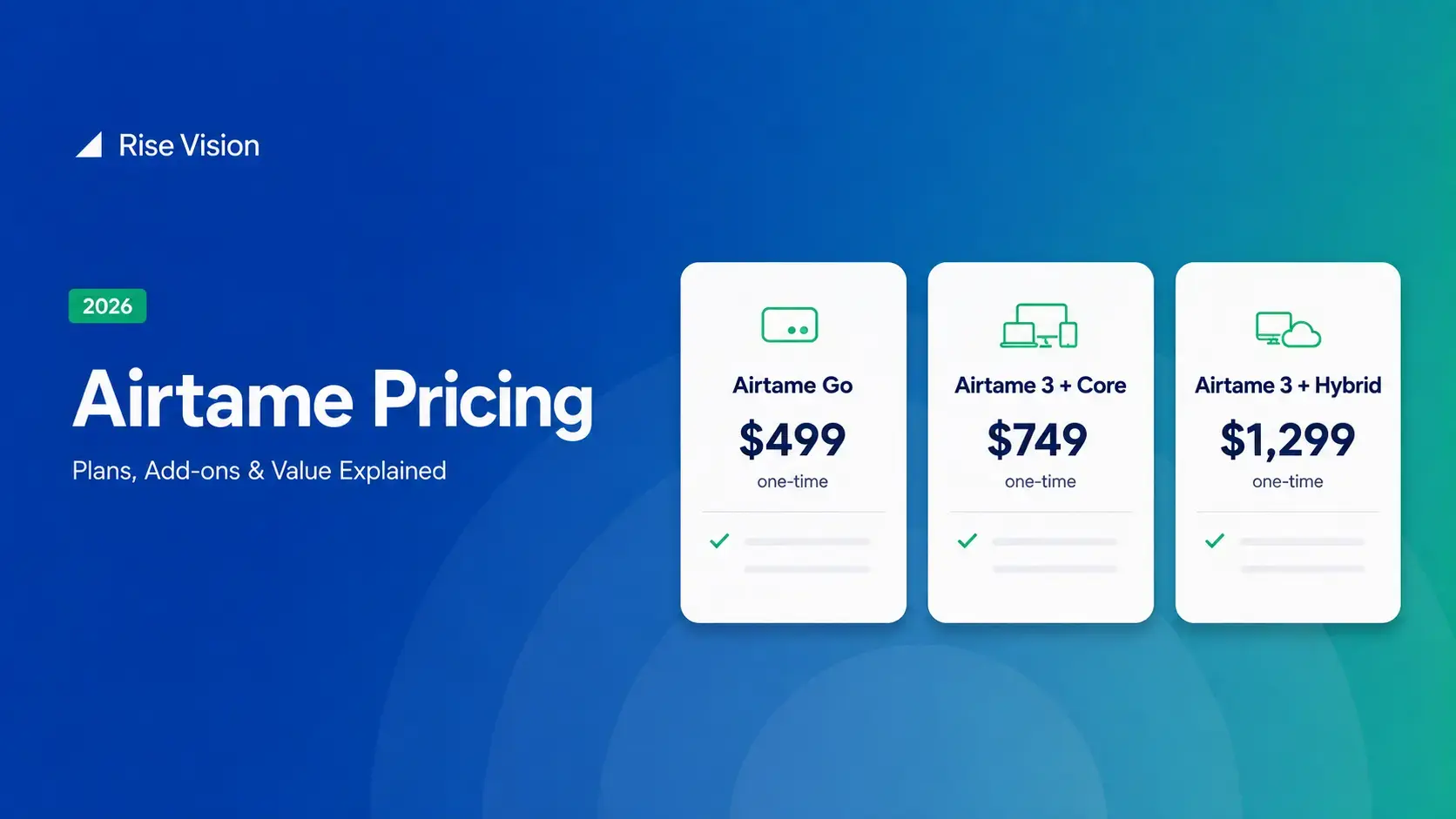
Airtame's 3-year bundles run $299 to $1,299 per display, then $120–$300/device/year to renew. Signage and alerts come standard on every tier, but only screen sharing survives if you skip renewal.[…]
Read More
12,300+ Organizations Trust Rise Vision, You Can Too































Schedule a Free Demo
You deserve the #1 all-in-one platform for digital signage, screen sharing, and emergency alerts.